Home / Program / Speakers
Speakers
Presenters confirmed so far. The list grows each time the committee clears a submission, and the final round closes on 15 October 2026.
- Speakers
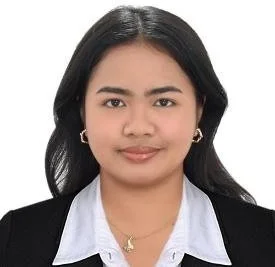
Miss. Laiza Mae Andrada
Cagayan State University, Philippines
- Speakers
Dr. Yoav Suprun, DPT, OCS, Dip. MDT, CSCS
President – SoBe Spine, Bay Harbor Islands, FL, USA
- Speakers
Dr. Hamza Maqbool
Yancheng Clinical College of Xuzhou Medical University, China
- Speakers
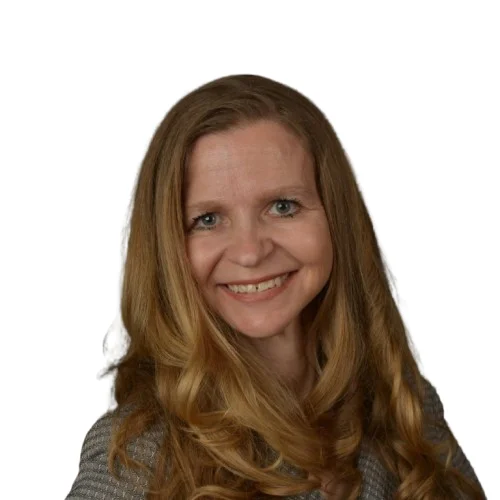
Alicia Ead
Bradley Hospital / Brown University Health Country, United States of America
- Speakers
Dr. Kiminobu Sugaya
Professor, Head of Neuroscience at UCF (USA), Chair of IRB, Chair and CEO of Progenicyte (Japan)
- Speakers
Mrs. Natasha Russ-Stucki
Arizona State University, U.S.A
- Speakers
Dr.DeBrae Kennedy-Mayo
Georgia Institute of Technology, Scheller College of Business, U.S.A
- Speakers
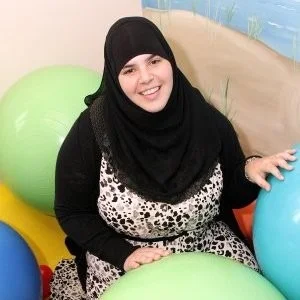
Miss. Hanan Ali
Diwaniyah Teaching Hospital, Afghanistan
- Speakers
Elvira Moskalenko
Architecture of Education, Russian Federation
- Speakers
Dr. Terrel D. Hale
Saybrook University, U.S.A
- Speakers
Dr. Rema Aljedi
Faculty of Medicine, Jordan University of Science and Technology
- Speakers
Dr. Danielle Beaumont
BE HIVE Network, United States
- Speakers
Miss. Aditi Manjunath
Stratford Preparatory High School, San Jose, USA
- Speakers
Dr. Jennifer Kiel
Human Development Consulting, USA
- Speakers
Mr. David Rauscher
Department of Psychiatry, University of North Carolina at Chapel Hill
- Speakers
Mr. Zackery
Liberty University, United States
- Speakers
Miss. Kristina Curott
Department of Behavioral Sciences, Liberty University, Lynchburg, Virginia, United States
- Speakers
Dr. Carrie Brooke-Sumner
Mental Health, Alcohol and Substance Use Research Unit, South African Medical Research Council
- Speakers
Dr. Sinan Eliacik
Department of Neurology, School of Medicine, Hitit University, Turkey
Why the speaker list is still short
How this list is built
Nobody on this page was invited. Every name arrived by the same route: an abstract submitted against one of the 25 tracks, read by the scientific committee, accepted on the strength of the work. Because submissions stay open until 15 October, the list is incomplete by design and is updated as decisions are made.
Two things follow from that. A short list now does not mean a short programme — most submissions land in the six weeks before a deadline. And nothing on the programme is reserved, so an accepted abstract from you sits alongside everyone else’s.
What a speaking slot involves
Oral presentations get 20 minutes including questions, held to time by the session chair. Slides are sent 15 days ahead so they can be loaded and checked, and presenters are asked to sit through the whole session rather than arriving for their own slot — running orders shift.
Poster presenters get a one-metre-square board in one of the two poster rounds and stay with it while the round runs.
Presenting from elsewhere
Remote presenters get the same slot length, the same chair and the same question time. The practical difference is logging in half an hour early so sound and screen sharing can be checked while it still does not matter. If the time zone makes live delivery impractical, a pre-recorded talk can be sent ten days ahead and you join live for the questions.
Reading the affiliations
The institution shown is where the work was carried out, which is not always where the presenter is now. The delegate list circulated after the conference carries current contact details for everyone who opts in.
Meeting a speaker
Question time in the room is short and public, and rarely suits a detailed methodological question. The poster rounds and the networking blocks between sessions work far better, and virtual delegates have the same access through the online rooms.